India–China trade is one of the most consequential and complex bilateral relationships in the world. Despite diplomatic tensions, bilateral trade crossed $100 billion in 2024, driven by India’s demand for electronics, machinery, chemicals, and intermediate goods. The opportunity is enormous. So is the complexity. Here is the practical picture from our Guangzhou desk.
The regulatory landscape has shifted
Since 2020, India has tightened FDI rules for entities from countries sharing a land border with India, effectively requiring prior government approval for Chinese investment. Import scrutiny has increased and specific product categories face restrictions. Product-level trade continues to flow — but businesses that understand the compliance framework navigate it smoothly, and those that don’t get stuck at customs.
Sourcing: factory verification is non-negotiable
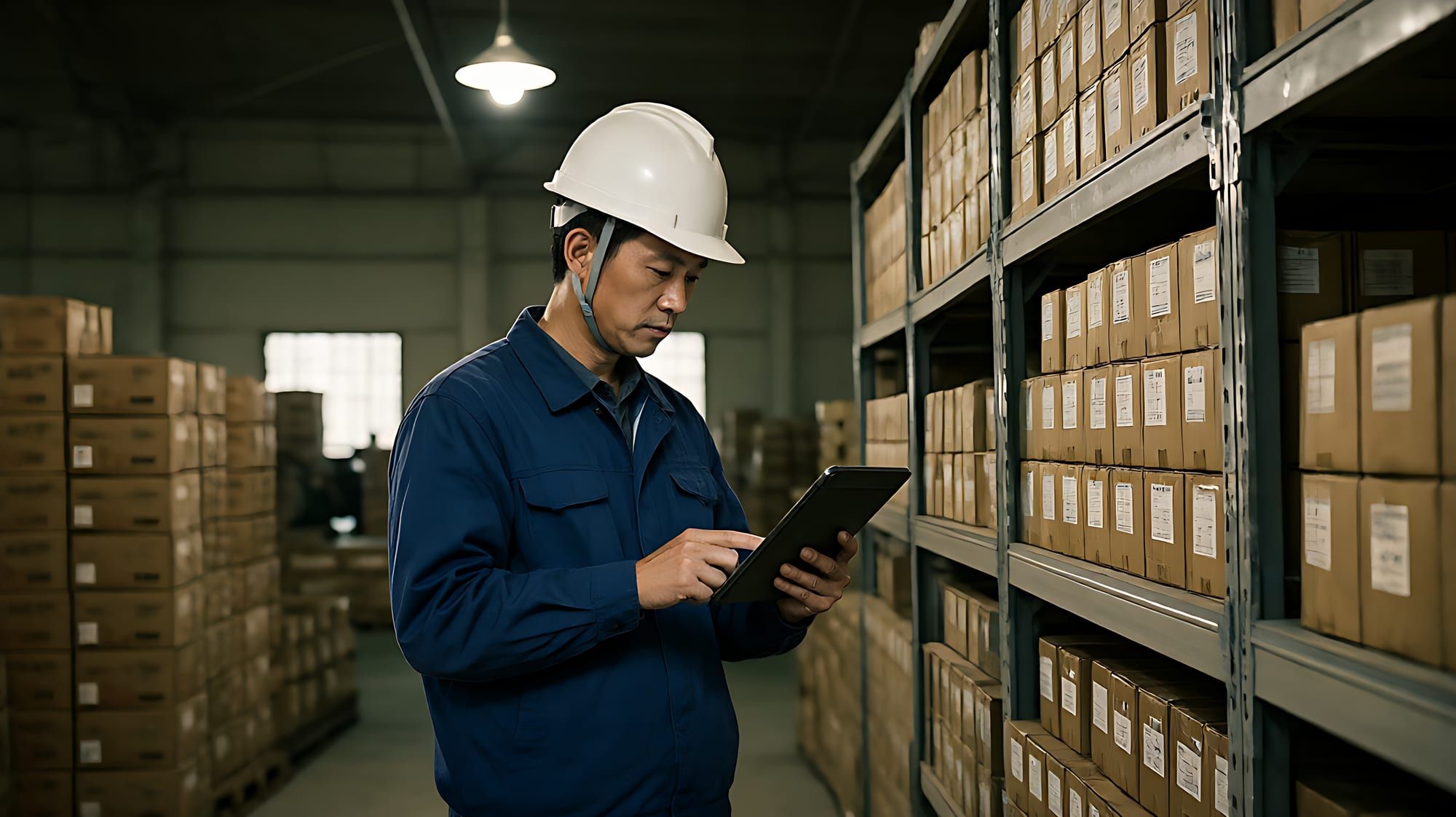
The most common mistake Indian importers make is relying solely on Alibaba listings without physical verification. We have seen “factories” that are actually trading companies adding a 20–30% margin, and quality specifications that quietly shift after sample approval. Our on-ground team performs mandatory factory audits before any client commitment.
Key compliance checkpoints
- Business license (营业执照) — verify the registered address matches the actual factory
- Export licence covering your product category (HS code match)
- BIS certification for electronics that fall under India’s notified product list, and WPC ETA approval for wireless/RF equipment where applicable — check your exact HS code against the current notified list before assuming either applies
- Pre-shipment inspection protocol on AQL standards
- Payment structure: never 100% advance — standard is 30% deposit, 70% against the Bill of Lading
Logistics: sea vs air
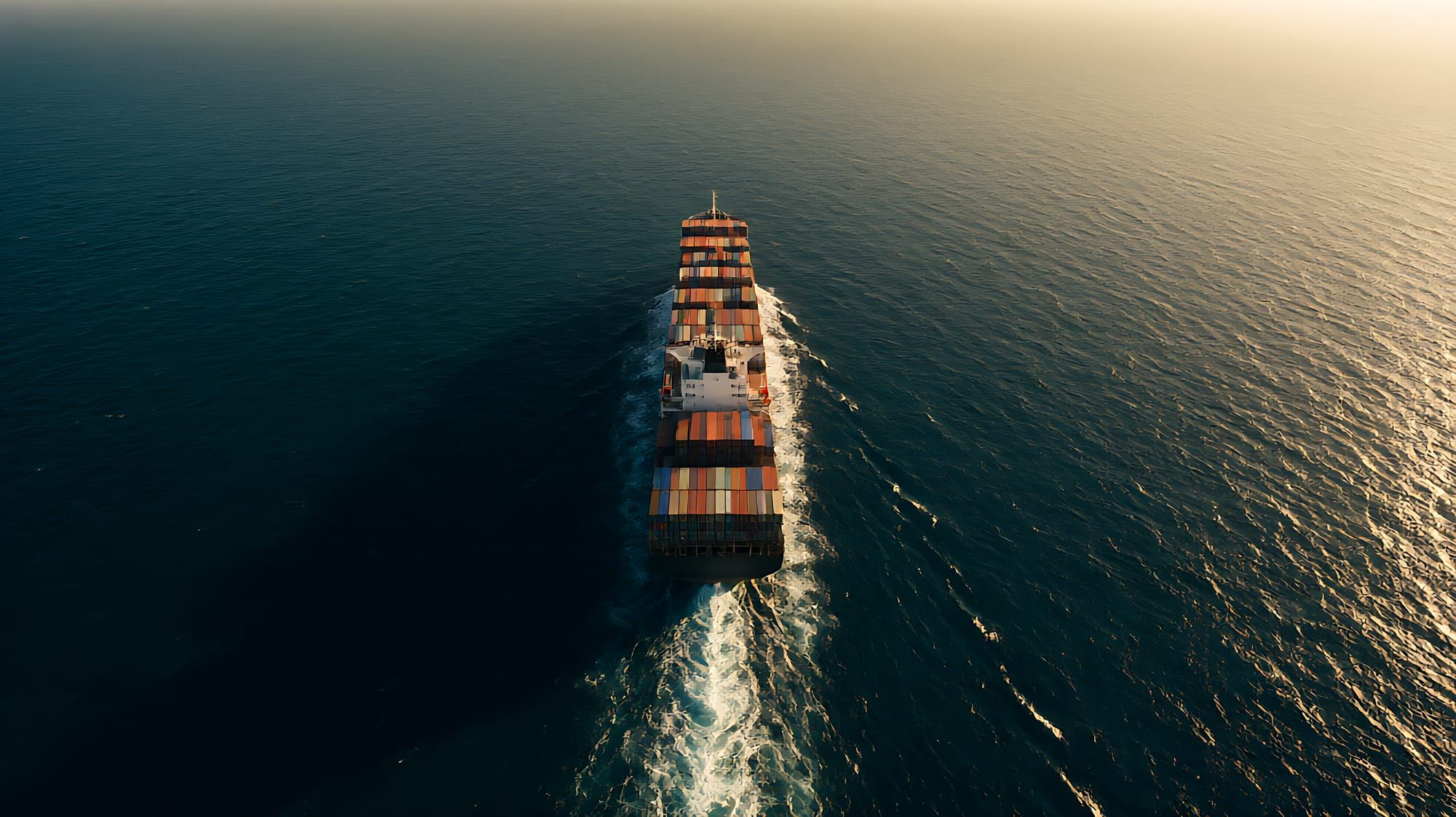
Sea freight from Chinese ports (Guangzhou, Shanghai, Ningbo) to Mundra or JNPT takes roughly 18–25 days port to port. Air freight via direct routes takes 3–7 days but costs 5–8× more. For high-value or time-sensitive goods, air pays. For bulk, sea is the only economical option — and LCL (shared container) exists for trial volumes.
Currency and payment
Transactions typically settle in USD. Established relationships can move to LC (Letter of Credit), which protects both sides. For smaller businesses, TT (wire transfer) with a 30/70 structure is standard. For first-time supplier engagements we advise escrow.
The India–China corridor rewards those who invest in understanding it. If you are evaluating suppliers now, our trade desk can audit factories, classify your products correctly, and manage the first shipment end to end.